

- Home/
- Buy Clomid in Online Pharmacy United Kingdom – Fast UK Delivery
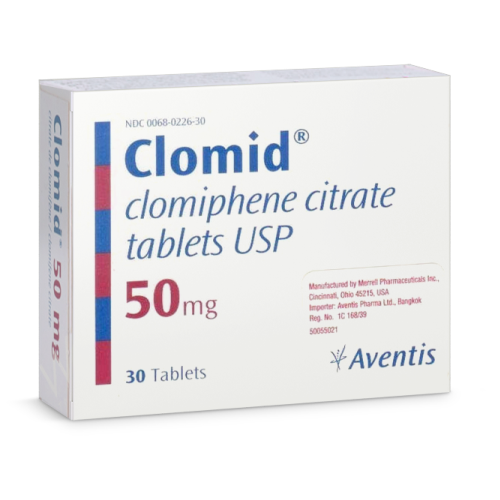
Clomid (Clomiphene) in the United Kingdom: The Complete Patient Guide 2026
Direct Answer: In the United Kingdom, Clomid (clomiphene) requires a valid prescription from a licensed doctor. It is illegal and unsafe to buy Clomid without prescription. Any website or individual offering to sell Clomid online without a prescription is operating outside UK law and may place your health and legal safety at risk.
Summary: Clomid Quick Facts
- Active Ingredient: Clomiphene citrate
- Use: Induction of ovulation in women with infertility due to anovulation
- Prescription Status: Prescription only (UK law)
- Typical Starting Dose: 50 mg once daily for 5 days per cycle
- Common Side Effects: Hot flushes, visual disturbances, mood swings
- Availability: Branded and generic forms via UK registered pharmacies (cannot buy Clomid without prescription)
- Legal Online Purchase: Only via licensed UK online pharmacies with prescription
- Typical Price: £20–£50 per cycle (including consultation and prescription, prices may vary)
How Does Clomid Work to Treat Female Infertility?
Clomid (clomiphene citrate) is a selective oestrogen receptor modulator (SERM). It works by binding to oestrogen receptors in the hypothalamus—a key hormonal control centre in the brain. By blocking these receptors, Clomid interferes with the negative feedback loop that oestrogen has on the hypothalamus. As a result, the hypothalamus believes that oestrogen levels are low and responds by releasing more gonadotrophin-releasing hormone (GnRH). This stimulates the pituitary gland to release higher amounts of follicle-stimulating hormone (FSH) and luteinising hormone (LH), leading to ovarian follicle development and ovulation.
Simplified Metaphor: Imagine the brain as a thermostat. When the “temperature” (oestrogen) is sensed as too low, the thermostat turns up the “heat” (FSH and LH), encouraging ovulation. Clomid tricks the thermostat, prompting a surge in hormones that can trigger ovulation.
Clomid’s effect is only seen in women with functional pituitary and ovarian tissue. It does not induce ovulation in cases of primary ovarian failure or pituitary deficiency. According to a 2024 randomised controlled trial (PubMed), ovulation was restored in approximately 70-85% of women with anovulatory infertility, with successful pregnancy in about 35-40% per treatment cycle when combined with proper monitoring.
Myth vs Reality
Myth: “Clomid guarantees pregnancy in everyone.”
Reality: Clomid can induce ovulation, but pregnancy depends on many factors, including partner’s fertility, age, and overall reproductive health.
Expert Commentary from doctor
In my clinical practice, the most frequent misunderstanding I see is patients expecting immediate conception after a single cycle of Clomid. While ovulation induction rates are high, pregnancy rates per cycle are modest, and multiple cycles may be necessary. Another issue is self-medicating or taking higher doses, especially when buying Clomid online from unregulated sources—this significantly increases the risk of ovarian hyperstimulation or visual side effects. Adherence to prescribed timing is essential; missing days can lead to treatment failure. Lastly, the emotional rollercoaster of fertility struggles makes regular follow-up and support critical—not just medication alone. For optimal outcomes, work closely with your fertility specialist and avoid shortcuts such as buying Clomid without prescription.
How Should Clomid Be Taken in the UK? Dosage, Timing, and Practical Instructions
- Standard Initial Dose: 50 mg tablet once daily for 5 consecutive days, typically starting on day 2–5 of the menstrual cycle.
- Response Assessment: If ovulation does not occur, the dose may be increased to 100 mg daily in subsequent cycles, always under medical supervision.
- Maximum Dose: Do not exceed 150 mg per day. Exceeding this dose raises the risk of ovarian hyperstimulation and serious side effects.
- Maximum Duration: Most guidelines recommend a maximum of 6 cycles of Clomid therapy. Prolonged use is discouraged due to increased risk of complications.
- Tablet Splitting: Clomid tablets can be divided if scored by the manufacturer; always check the specific product leaflet.
- Missed Dose: If you forget a dose, take it as soon as you remember, unless it is nearly time for the next dose. Do not double up to make up for the missed tablet.
- Special Cases: Dose adjustments may be necessary in hepatic impairment. Not recommended in patients with significant liver disease.
In the UK, Clomid should only be started after a thorough fertility assessment, including partner evaluation. The prescription must be renewed for each course, and ongoing monitoring (e.g., ultrasound, hormone testing) is standard practice.
Key Takeaway: Stick strictly to your prescribed schedule. Never self-adjust your dose or duration without consulting your fertility specialist.
What is the Impact of Food, Alcohol, and Lifestyle on Clomid’s Effectiveness?
| Factor | Impact on Clomid | Advice |
|---|---|---|
| Food | Minimal effect; absorption is not significantly delayed or reduced by meals | Can be taken with or without food |
| Fatty Meals | No clinically relevant impact observed | No special dietary restrictions needed |
| Alcohol | May worsen side effects such as dizziness or mood changes; excessive use is discouraged | Best to avoid or limit alcohol while on Clomid |
| Grapefruit Juice | No specific interaction with clomiphene reported | Unlike some other medications, grapefruit is not contraindicated |
| Caffeine | No known interaction | Standard intake is acceptable |
Practical advice: Stay well-hydrated, avoid excessive alcohol, and maintain a balanced diet to support overall reproductive health. Extreme lifestyle changes are unnecessary unless recommended by your doctor.
Who Should Not Take Clomid? Absolute and Relative Contraindications
Absolute Contraindications (Never Use):
- Liver disease (active or history of hepatic dysfunction or abnormal liver function tests)
- Ovarian cysts (other than those associated with polycystic ovary syndrome)
- Pregnancy (must exclude before starting therapy)
- Unexplained uterine bleeding
- Known or suspected hormone-dependent tumours (e.g., ovarian, uterine, breast cancer)
- Hypersensitivity or allergy to clomiphene or excipients
Relative Contraindications (Use with Caution or Under Specialist Supervision):
- Polycystic ovary syndrome (risk of ovarian hyperstimulation)
- Fibroids (monitor for abnormal bleeding)
- Thyroid or adrenal dysfunction (must be corrected before starting)
- Visual disturbances (increased risk of worsening symptoms)
- History of thromboembolic events (clomiphene may increase risk)
Why? Clomid can exacerbate pre-existing liver conditions, stimulate hormone-sensitive tumours, enlarge ovarian cysts, or worsen visual or thromboembolic risks. Always undergo full assessment by a doctor before starting treatment.
What Side Effects Are Most Common with Clomid? Frequency and Guidance
| Frequency | Side Effect | Possible Mechanism |
|---|---|---|
| Very common (>1 in 10) |
Hot flushes, abdominal discomfort | Increased hormone levels, ovarian stimulation |
| Common (1 in 10 to 1 in 100) |
Breast tenderness, nausea, headaches, mood changes, bloating | Hormonal effects, GI irritation |
| Uncommon (1 in 100 to 1 in 1,000) |
Visual disturbances (blurring, flashes), dizziness, rash | Unknown; may be related to oestrogen modulation |
| Rare | Ovarian hyperstimulation syndrome (OHSS), multiple pregnancies (twins, triplets) | Excessive ovarian response; increased FSH surge |
| Very rare | Thromboembolism, severe allergic reaction, liver dysfunction | Individual hypersensitivity, metabolic effects |
If you experience: visual changes, severe abdominal pain, shortness of breath, or sudden swelling—stop Clomid and seek immediate medical attention.
Bottom line: Most side effects are mild and transient, but rare severe events demand urgent action.
Common Patient Mistakes Observed by doctor
- Taking Clomid for more cycles than recommended: Prolonged use increases risks (e.g., ovarian tumours). Stick to your doctor’s planned schedule.
- Doubling up on doses after a missed tablet: This does not increase effectiveness and can raise side effect risk. Continue as per instructions if you miss a dose.
- Not attending monitoring appointments: Ultrasound or blood test follow-ups are essential for safety and may detect complications early.
- Buying Clomid online without prescription: Not only illegal in the United Kingdom, but exposes you to counterfeit or unsafe medicines.
- Ignoring lifestyle advice: Overemphasis on medication alone without addressing weight, stress, or partner factors reduces overall chances of pregnancy.
- Failure to report visual or mood changes: Early warning of rare but serious side effects. Always tell your specialist promptly.
To avoid these mistakes, follow your doctor’s advice closely, use reliable pharmacy sources, and maintain open communication throughout your treatment.
Clomid vs. Alternatives: Which Medication Suits You Best?
| Medication | Main Use | Onset of Effect | Duration of Action | Common Side Effects | Cost per Cycle (UK) | Prescription Needed? |
|---|---|---|---|---|---|---|
| Clomid (Clomiphene) | Ovulation induction | 5–10 days after starting | One cycle (5 days/course) | Hot flushes, mood swings | £20–£40 | Yes |
| Letrozole (Aromatase inhibitor) | Ovulation induction (off-label in UK) | Similar (5–10 days) | One cycle (5 days/course) | Fatigue, dizziness, headaches | £30–£50 | Yes |
| Gonadotrophins (Injectable FSH/LH) | Ovulation induction (second-line) | Within 7–14 days | Ongoing (until ovulation) | OHSS, injection site reactions | £500–£1,500 | Yes |
- Clomid remains first-line due to oral administration, cost, and safety profile.
- Letrozole is sometimes preferred in polycystic ovary syndrome; discuss with your doctor.
- Gonadotrophins are more expensive and used when oral agents fail.
Information gain: No oral therapy is superior for all women—individual factors and specialist advice are key.
Questions Frequently Asked to doctor
- Can I buy Clomid online in the UK without seeing a doctor?
- No. To legally obtain Clomid in United Kingdom, you must have a prescription from a licensed doctor. Reputable UK online pharmacies will require a prescription, typically following a remote or in-person consultation.
- Is it safe to take Clomid if I have irregular periods?
- Clomid is often prescribed for irregular or absent periods due to anovulation. However, an underlying diagnosis is essential—your doctor will rule out other causes before prescribing.
- What should I do if I miss a dose?
- Take it as soon as possible, unless the next dose is due soon. Never double the dose. Missing more than one dose in a cycle may require abandoning the cycle—contact your clinic for advice.
- Can I drink alcohol while taking Clomid?
- Moderate alcohol intake is not strictly forbidden but may worsen mood or dizziness. Excessive drinking is discouraged as it may affect overall fertility.
- How many cycles can I use Clomid for?
- Most guidelines recommend a maximum of 6 cycles. Prolonged use does not improve outcomes and may raise risk of ovarian tumours.
- Is Clomid suitable for women over 40?
- While Clomid can be used in women over 40, fertility declines significantly with age. Your specialist will assess ovarian reserve and recommend the most appropriate therapy.
- Does Clomid guarantee pregnancy?
- No medicine guarantees pregnancy. Clomid increases your chance by inducing ovulation, but success rates depend on multiple factors.
Key Characteristics Table: Clomid at a Glance
| Parameter | Value |
|---|---|
| Active Ingredient | Clomiphene citrate |
| Medication Class | Selective oestrogen receptor modulator (SERM) |
| Route of Administration | Oral |
| Dosage Strengths | 50 mg, 100 mg tablets (depends on manufacturer) |
| Onset of Effect | Ovulation induced 5–10 days after starting course |
| Half-life (T1/2) | 5–7 days |
| Metabolism | Liver (CYP450 enzymes) |
| Elimination | Mainly faecal, minor renal |
| Pregnancy Category | Contraindicated |
| Special Monitoring | Ultrasound, hormone assays |
| Prescription Status | Prescription only (UK law) |
How to Obtain Clomid Legally in United Kingdom: Step-by-Step Guide
- Step 1: Seek a fertility specialist or GP consultation. In major cities like London, Manchester, Birmingham or via NHS/independent clinics.
- Step 2: Undergo assessment. Physical exam, hormone tests, partner evaluation, and possibly ultrasound to confirm diagnosis and rule out contraindications.
- Step 3: Receive your prescription. If indicated, your doctor will issue a prescription valid for dispensing at registered UK pharmacies.
- Step 4: Order Clomid from a licensed UK pharmacy. You may use a local pharmacy or a UK-registered online service—both require a valid prescription. Avoid international or unregulated sites.
- Step 5: Attend monitoring appointments. Essential for safety and dose adjustment, especially after the first cycle.
Tip: UK online pharmacies displaying the green cross logo are regulated by the General Pharmaceutical Council (GPhC).
Is It Legal and Safe to Buy Clomid Online in United Kingdom?
Legal: Only if you have a valid UK prescription and use a registered UK pharmacy.
Illegal and unsafe: Buying Clomid online without prescription from overseas or unregulated websites exposes you to counterfeit products, customs seizure, legal penalties, and serious health risks.
- Always check for the GPhC logo and verify the pharmacy registration number.
- Do not trust offers of “Clomid cheap” or “Clomid without prescription” online—these are common scams.
- Your prescription protects you: it ensures the product is genuine and your treatment is safe.
Bottom line: The safest way to order Clomid in United Kingdom is via a doctor’s prescription and a registered UK pharmacy.
How to Recognise Original vs. Counterfeit Clomid in United Kingdom
- Packaging: Original Clomid comes in sealed blisters with printed batch number, expiry date, and manufacturer details (Sanofi or generic supplier).
- Tablet appearance: Tablets are white or off-white, round, often with a score line and imprint. No unusual colour or odour.
- Security features: Genuine packs may have a QR code, hologram, or security seal (depending on supplier).
- Price: If the price is “too good to be true” (e.g., “Clomid cheap” at a fraction of pharmacy cost), it’s likely fake or unsafe.
- Leaflet: Always included, in English, with MHRA (UK regulator) information.
If in doubt, ask your pharmacist to verify the medicine. Take photos of the packaging and report suspicious products to the MHRA.
Original vs. Generic Clomid
- Generics: Contain the same active ingredient (clomiphene citrate), may have different inactive ingredients (excipients).
- Effectiveness: Generics are clinically equivalent when obtained from licensed UK pharmacies.
- Price: Generics are usually more affordable, typically £20–£30 per cycle.
- Allergy: Rare, but check excipient list if you have known sensitivities.
Clomid Compatibility with Other Medicines and Products
| Product Type | Can it be combined? | Consequences/Advice |
|---|---|---|
| Paracetamol | Yes | No significant interaction |
| Ibuprofen/NSAIDs | Yes | Use short-term; prolonged use may affect ovulation |
| Oral contraceptives | No | Counteracts therapy; avoid concurrent use |
| Herbal supplements (St John’s Wort) | Use with caution | Can alter drug metabolism; discuss with doctor |
| Alcohol | Limit | May worsen side effects; best avoided |
| Grapefruit juice | Yes | No known interaction |
| Other fertility medicines | Only under specialist supervision | Risk of excessive ovarian stimulation |
Clomid Pharmacokinetics: Absorption, Metabolism, and Elimination
- Absorption: Well absorbed orally, peak blood plasma concentrations reached in 5–7 hours.
- Metabolism: Primarily in the liver via cytochrome P450 enzymes.
- Elimination: Mainly excreted in faeces; small proportion via urine.
- Half-life: 5–7 days, with detectable levels for several weeks after administration.
- Implication: Caution in hepatic impairment, and potential for cumulative side effects with repeated cycles.
For people with liver disease: Clomid is contraindicated due to risk of accumulation and toxicity.
Considerations for Special Patient Groups
- Women with PCOS: More likely to develop ovarian hyperstimulation syndrome (OHSS) or multiple pregnancies; close monitoring is essential.
- Women over 40: Efficacy is lower due to natural decline in ovarian reserve; alternatives may be preferred.
- Liver disease: Clomid is contraindicated.
- Renal impairment: No dosage adjustment generally required, but limited data—use with caution.
- Epilepsy or seizure disorders: Clomid may lower seizure threshold; specialist input needed.
- Ability to drive: Clomid may rarely cause visual disturbances or dizziness—if affected, avoid driving or operating machinery.
- Male infertility: Clomid is sometimes used off-label for certain types of male infertility under specialist supervision, but this is not licensed in the UK.
What If You Take Too Much Clomid? Overdose Action Steps
- Stop taking Clomid immediately.
- Contact NHS 111 or your GP for urgent advice. If severe symptoms (severe abdominal pain, vomiting, vision loss), call 999 for emergency assistance.
- Inform medical personnel of the exact dose and timing of ingestion.
- Do not attempt self-treatment or induce vomiting unless instructed.
- Bring the medicine packaging or leaflet to the hospital/clinic.
Note: Overdose can cause severe ovarian enlargement, visual symptoms, and electrolyte disturbances.
Psychological Support and Empathy
Infertility is a common and treatable condition. The emotional burden can be overwhelming, and medication is only one part of the journey. It’s normal to feel anxious, frustrated, or discouraged. Speak openly with your partner and seek support from counselling services or support groups—your mental health matters as much as physical treatment.
Professional Opinion of doctor
In my experience, Clomid is most effective for women with anovulatory infertility who have normal pituitary and ovarian function. It offers a convenient, well-tolerated oral route, and the cost is relatively affordable compared to injectable options. However, the risk of side effects, including multiple pregnancies and ovarian hyperstimulation, means close monitoring is essential. Patients with underlying liver disease, unexplained uterine bleeding, or hormone-dependent tumours should not use Clomid. Women over 40, or those with significant ovarian reserve decline, may benefit more from alternative therapies such as letrozole or assisted reproduction. Ultimately, the decision to start Clomid should be made in partnership with a fertility specialist, weighing the benefits, risks, and individual patient goals. If you are considering whether to buy Clomid or order Clomid online in United Kingdom, always ensure you do so under qualified medical supervision—never self-prescribe or seek Clomid without prescription.
Frequently Asked Questions about Clomid in the UK
- Can Clomid be bought in pharmacy in United Kingdom?
- Yes, but only with a valid prescription from a UK doctor or fertility clinic.
- Is it possible to get Clomid cheap or at a discount?
- Generic versions are generally more affordable than branded Clomid; prices typically range from £20–£40 per cycle in the UK.
- Can I purchase Clomid online legally in United Kingdom?
- Yes, if you use a registered UK online pharmacy that requires a prescription. Avoid any online services offering Clomid without prescription.
- What are the risks of buying Clomid without prescription?
- Risks include exposure to counterfeit drugs, lack of safety monitoring, legal penalties, and serious health complications.
- How do I know if I am responding to Clomid?
- Your doctor will monitor ovulation via blood tests and ultrasound. Signs such as regular periods or ovulation symptoms may suggest a response, but confirmation requires medical assessment.
- Is Clomid covered by the NHS?
- Clomid may be prescribed on the NHS for eligible patients after full assessment. Some private clinics may offer it as part of a fertility package.
- Can Clomid be taken for male infertility in the UK?
- Off-label use may occur under specialist direction, but it is not routinely licensed for male infertility in the UK.
- How soon can I expect pregnancy with Clomid?
- Most pregnancies occur within 3–6 cycles. If unsuccessful after this period, your doctor may suggest further investigations or alternative treatments.
- Can I drive while taking Clomid?
- Generally yes, unless you experience visual disturbances or dizziness. If affected, avoid driving and inform your doctor.
References
- National Institute for Health and Care Excellence (NICE). “Fertility problems: assessment and treatment”, Clinical guideline [CG156], accessed 2026, https://www.nice.org.uk/guidance/cg156
- Medicines and Healthcare products Regulatory Agency (MHRA), accessed 2026, https://www.gov.uk/government/organisations/medicines-and-healthcare-products-regulatory-agency
- NHS. “Clomifene for female infertility”, Health A-Z, accessed 2026, https://www.nhs.uk/medicines/clomifene/
- General Pharmaceutical Council (GPhC), accessed 2026, https://www.pharmacyregulation.org/
- Sanofi. Clomid (clomifene citrate) Summary of Product Characteristics, 2025, accessed via https://www.medicines.org.uk/emc/
- Practice Committee of the American Society for Reproductive Medicine. “Use of clomiphene citrate in infertility”, Fertility and Sterility, 2024, https://pubmed.ncbi.nlm.nih.gov/
- World Health Organization (WHO), Infertility Fact Sheet, 2026, https://www.who.int/news-room/fact-sheets/detail/infertility
- European Medicines Agency (EMA), public medicines assessment reports, accessed 2026, https://www.ema.europa.eu/en
If you need further advice or help finding a qualified fertility specialist in the United Kingdom, consult your GP or the British Fertility Society (https://www.britishfertilitysociety.org.uk/).

