

- Home/
- Buy Doxycycline Online in the United Kingdom Fast and Secure
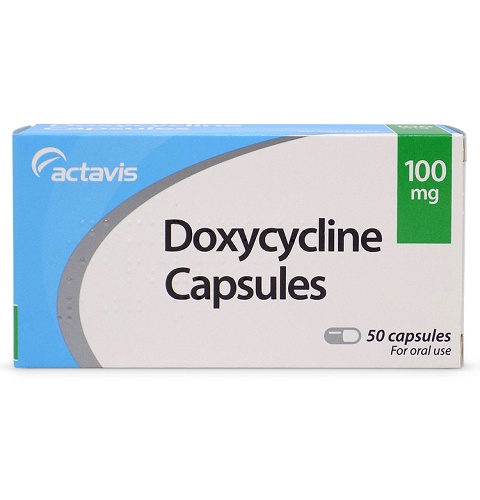
Doxycycline is a widely used antibiotic in the United Kingdom, prescribed for infections ranging from chest and sinus problems to acne and sexually transmitted infections. Before you start, know this: Doxycycline’s effectiveness depends not just on the bacteria it targets, but on how — and when — you take it, and the specific risks and benefits it offers compared to other antibiotics. Reading further will help you understand if Doxycycline is the right fit for your situation, what to expect in daily life, and how to safely buy Doxycycline, order Doxycycline online, or discuss Doxycycline in pharmacy settings within the UK.
Doxycycline or Something Else? The Real Decision Facing Patients in the UK
For many patients, the search starts here: Is Doxycycline actually the right antibiotic for my infection, or is there a better option? In the United Kingdom, thousands of people every week are prescribed Doxycycline, but most never know why their doctor chose it over amoxicillin, clarithromycin, or another antibiotic entirely. The answer isn’t just about bacteria. It’s about what works safely in your specific situation, which side effects are likeliest to matter for you, and how your lifestyle or other medications tilt the balance.
Doxycycline is often chosen when the infection might be caused by bacteria that are resistant to older antibiotics, or when a single pill a day could mean the difference between finishing a course and missing doses. It’s not always the “strongest” or “most modern” antibiotic, and in some cases, it’s exactly its age and well-understood risk profile that make it attractive.
But there are trade-offs. Some infections respond better to Doxycycline than to alternatives. For others, you might be better served by a different antibiotic — especially if you’re pregnant, have certain kidney or liver conditions, or are taking medications that interact with Doxycycline.
If you’re searching for “buy Doxycycline in United Kingdom,” or wondering whether to order Doxycycline online, take a moment to consider if this antibiotic matches your infection, risk profile, and daily routine. The answer isn’t always obvious from the leaflet or pharmacy counter.
How Doxycycline Works in Your Life, Not Just in the Lab
Effectiveness in clinical trials is one thing. How Doxycycline performs in the real world — with missed doses, variable meal times, and the inevitability of side effects — is another. Doxycycline works by blocking bacterial protein synthesis, stopping the growth of many common and stubborn bacteria.
What makes Doxycycline different from other antibiotics in practice is partly its flexibility. It’s available as tablets, capsules, and a liquid, and typically requires only once or twice daily dosing. For many patients, that means fewer interruptions to work, travel, or school compared to antibiotics with three or four daily doses.
- Onset of Action: Most people begin to feel some improvement after 48 hours, though the time to full recovery depends on the type of infection.
- Duration: Courses typically run 7 to 14 days, though acne and chronic conditions may require longer treatment.
- Adherence: Missing doses can lead to treatment failure, so the simplicity of Doxycycline’s dosing is more than convenience—it’s a clinical strength.
For those wondering about Doxycycline without prescription — the reality in the UK is that legitimate access always requires a prescription, whether you’re collecting from your local pharmacy or ordering Doxycycline online from a registered provider.
- Doxycycline (UK):
- An NHS-prescribed antibiotic from the tetracycline family, active against a broad range of bacterial infections, and available only by prescription in all settings.
The bottom line: Doxycycline doesn’t just work in theory. It’s chosen in the UK because, when taken as directed, it fits a busy life, treats infections efficiently, and can be accessed reliably — with the right prescription.
What Makes Doxycycline Stand Out from Other Antibiotics — and When That Difference Matters
Not all antibiotics are created equal. Some patients expect any antibiotic will do the trick, but both research and NHS guidelines prove otherwise.
| Attribute | Doxycycline | Amoxicillin | Clarithromycin |
|---|---|---|---|
| Indications in UK | Bacterial chest infections, acne, chlamydia, Lyme disease, some malaria prevention | Chest, ear, dental, urinary tract, some skin infections | Chest infections, especially if penicillin-allergic, some sinus and throat infections |
| Prescription needed? | Yes (always) | Yes | Yes |
| Common dosing | Once or twice daily | Two or three times daily | Twice daily |
| Food interactions | Best on empty stomach, but with food if stomach upset occurs | No special instructions | No special instructions |
| Key side effects | Photosensitivity, stomach upset, esophageal irritation | Rash, allergy, diarrhoea | Stomach upset, taste disturbance |
| Cost to patient (NHS) | Standard NHS prescription fee if not exempt; private prices vary | Standard NHS prescription fee if not exempt | Standard NHS prescription fee if not exempt |
| Who should avoid | Pregnant/breastfeeding, under 12, severe liver/kidney issues | Allergy to penicillins | Severe liver disease, interactions with statins |
For many patients, Doxycycline’s once-daily dosing is a genuine advantage — especially for those with unpredictable routines or difficulty remembering midday doses. Its broad coverage means it often works when first-line options fail, but that same power comes with a higher risk of photosensitivity (sunburn risk) and some unique food and drug interactions not seen with Amoxicillin or Clarithromycin.
The clinical bottom line: Doxycycline stands out not because it’s newer or “stronger,” but because it’s flexible, often well-tolerated, and a proven choice for tricky infections — provided the risks and interactions are managed properly.
Getting Doxycycline in United Kingdom: Prescription, Pharmacy, and Online Options
In the UK, access to antibiotics is tightly regulated — and for good reason. Whether you want to buy Doxycycline, order Doxycycline, or are searching for Doxycycline cheap, understanding the rules and real options prevents disappointment (or worse, risk to your health).
- NHS Prescriptions: Most patients will get Doxycycline through their GP, walk-in centre, or NHS specialist. If you pay for prescriptions, expect the standard NHS fee unless exempt (currently £9.65 per item as of 2024).
- Private Prescriptions: Some private GPs and clinics offer Doxycycline for specific indications (acne, travel-related infections) — prices vary, and you’ll pay both for the consultation and the medication.
- Doxycycline Online: Only legal if the site is a registered UK pharmacy and assesses you through an online questionnaire or video consultation. “Doxycycline without prescription” offers found on non-UK or unregistered sites are both illegal and unsafe.
- Doxycycline in Pharmacy: Walk-in purchase is not permitted; the pharmacist will require a valid prescription. Pharmacists advise on interactions, dosing, and can explain NHS exemptions.
Doxycycline is widely available in both pharmacies and legitimate online services within the UK — but never legally without a prescription or proper medical assessment.
Taking Doxycycline Correctly: Schedules, Food, Missed Doses, and More
Proper use is the difference between a successful course and one that leaves you back where you started (or with new problems). Doxycycline’s directions are more nuanced than most antibiotics.
| Condition | Typical Adult Dose | Duration | Special Notes |
|---|---|---|---|
| Chest infection (e.g., pneumonia, bronchitis) | 200 mg on day 1 (single or divided), then 100 mg daily | 7 days | Take with plenty of water, upright if possible |
| Acne | 50-100 mg daily | 6–12 weeks | Review after 6 weeks; avoid sun exposure |
| Chlamydia | 100 mg twice daily | 7 days | No sex until course completed |
| Lyme disease | 100 mg twice daily | 10–21 days | Duration varies with stage/severity |
| Malaria prevention | 100 mg daily | Start 1-2 days before, continue 4 weeks after travel | Not for children under 12 |
- With or without food? Doxycycline works best on an empty stomach, but if you get nausea, a light meal is acceptable. Avoid dairy close to dosing — milk and cheese can reduce absorption.
- Missed a dose? Take it as soon as you remember, unless it’s almost time for the next dose. Never double up.
- Sun exposure: Doxycycline increases sun sensitivity. Use high-factor sun cream and cover up, especially in the first week.
Adherence is critical. Stopping early, skipping doses, or taking Doxycycline with interfering foods are among the top reasons for treatment failure. If in doubt, ask your pharmacist — whether you collected from a local chemist or ordered Doxycycline online through a UK-registered pharmacy.
Which Side Effects Matter Most with Doxycycline — and When to Act
Every antibiotic comes with risks, but Doxycycline’s are distinctive — and knowing what to watch for can prevent confusion and real harm. The side effects patients ask about most often are not always the ones that matter most.
The spectrum of reactions runs from mild and self-limiting to rare but serious. Here’s a structured look at the most relevant reactions in actual UK patients:
| Side Effect | Frequency | When to Contact Your Doctor |
|---|---|---|
| Photosensitivity (sunburn) | Common (~10-20%) | If severe redness, blistering, or pain develops |
| Stomach upset (nausea, vomiting, diarrhoea) | Common (up to 20%) | If unable to keep fluids down, or persistent diarrhoea |
| Oesophagitis (throat pain, difficulty swallowing) | Uncommon (~1-2%) | If pain is severe or unable to swallow |
| Rash/allergic reaction | Uncommon | If rash is widespread or accompanied by swelling/difficulty breathing — seek urgent care |
| Vaginal thrush (women) | Uncommon | If symptoms are severe or recurrent |
| Severe headache/visual changes (benign intracranial hypertension) | Rare (<1%) | If severe, new headache or vision issues develop — seek medical attention promptly |
Clinical interpretation from doctor: “Most side effects settle once the body adapts to Doxycycline, but the risk of oesophageal irritation is underestimated. Always take it with plenty of water and never just before bed. The rare but serious headache and vision changes are a reason to stop immediately and call your GP — don’t wait it out.”
For patients who buy Doxycycline online or collect from the pharmacy, these side effect profiles don’t change. What does change is the speed with which you get help — so know when to ring your GP or pharmacist, and don’t wait if something feels wrong.
When Not to Take Doxycycline: Absolute and Relative Contraindications
- You are pregnant or breastfeeding (risk to foetus and infant teeth/bone development)
- You are under 12 years old (permanent tooth discolouration and risk to bone growth)
- You have a known allergy to tetracyclines
- You have severe hepatic (liver) or renal (kidney) impairment — unless specifically directed by a specialist
- You are taking retinoids (acne medications) — risk of increased pressure in the brain
- You have myasthenia gravis or SLE (lupus) — risk of flare-up
- You are on anticoagulants, epilepsy medication, or immunosuppressants — interactions may require monitoring or alternative therapy
These restrictions apply whether you purchase Doxycycline in pharmacy, order Doxycycline online, or are prescribed the drug by your NHS GP. No legitimate provider will supply Doxycycline without prescription or proper assessment for these risks.
Doxycycline Cost, NHS Access, and What “Cheap” Really Means in the UK
Searching for “Doxycycline cheap” or “affordable Doxycycline in United Kingdom” is common — but price is only part of the access puzzle. For most UK patients, the cost is capped at the standard NHS prescription fee unless you qualify for an exemption.
- NHS route: You pay the standard prescription charge per item, regardless of the actual wholesale price of the drug. For most, that means £9.65 (as of 2024) per course, unless you’re exempt.
- Private prescription: Pricing varies significantly — online clinics may charge £15–£30 for the medication alone, plus a consultation fee. Always check the provider’s credentials.
- Ordering Doxycycline online: Only UK-registered pharmacies can legally supply; if the offer seems too cheap, it may be illegal, unsafe, or both.
Some patients hope to “buy Doxycycline without prescription” from international websites promising low prices. Be warned: This is illegal, puts you at risk for counterfeit or improperly stored medicine, and leaves you without professional advice or recourse if something goes wrong.
- NHS prescription charges are reviewed annually; exemption criteria include age, income, and certain medical conditions.
- Most online pharmacies will price-match high street costs, but always factor in delivery fees and consultation charges.
For patients needing Doxycycline over the long term (such as for acne), your GP may recommend a prepayment certificate (PPC) to reduce overall cost. Discuss this before you buy Doxycycline or renew a course.
Frequently Asked Questions about Doxycycline in United Kingdom
- Can I buy Doxycycline without prescription in United Kingdom?
- No. By law, Doxycycline is a prescription-only medicine in the UK. Any provider offering it without a prescription is operating illegally and unsafely.
- Is Doxycycline available online in the UK?
- Yes, but only through registered UK online pharmacies that require a prescription or an online consultation. Always check the pharmacy’s GPhC registration before ordering Doxycycline online.
- How do I know if Doxycycline is the right antibiotic for my infection?
- Your doctor considers the type of infection, typical bacteria involved, your medical history, allergies, and possible interactions. Doxycycline is often chosen for chest infections, acne, and some STIs, but not for everyone.
- Can I take Doxycycline if I have a penicillin allergy?
- Usually, yes. Doxycycline is unrelated to penicillins and commonly used in patients with penicillin allergy, but discuss this with your prescriber.
- What should I avoid when taking Doxycycline?
- Avoid dairy close to dosing, antacids, iron supplements, and strong sun exposure. These can interfere with absorption or increase side effect risk.
- Is Doxycycline safe in pregnancy or breastfeeding?
- No. Doxycycline should not be used during pregnancy or breastfeeding due to risks to the baby’s teeth and bones.
- How quickly will I feel better on Doxycycline?
- Some people notice improvement within 2–3 days, but always complete the full course. If no change after 4 days, contact your doctor for review.
- What happens if I miss a dose?
- Take it as soon as you remember, unless it’s nearly time for your next scheduled dose. Do not double up. Consistency is key for effectiveness.
- Can I drink alcohol while on Doxycycline?
- Moderate alcohol is unlikely to cause problems, but heavy drinking may increase liver risk and reduce effectiveness. Best to limit alcohol until the course is finished.
Sources and References
- Doxycycline: NHS Medicines A–Z
- Summary of Product Characteristics for Doxycycline, Electronic Medicines Compendium, 2024
- Respiratory tract infections (self-limiting): prescribing antibiotics, NICE Guideline
- General Pharmaceutical Council: Register of Pharmacies
- European Medicines Agency
- NHS Business Services Authority: Prescription Data
- Medicines and Healthcare products Regulatory Agency (MHRA)
- World Health Organization

