

- Home/
- Buy Glucophage Online in the United Kingdom Safely and Easily
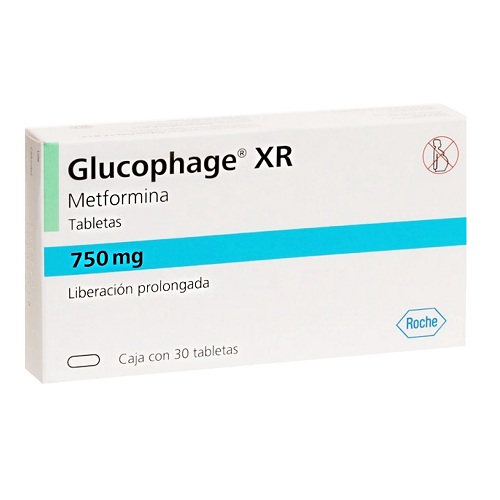
Glucophage in United Kingdom: The Definitive Guide for Safe and Effective Use
Can I buy Glucophage without prescription in United Kingdom?
No, it is illegal to buy Glucophage without prescription in United Kingdom. Glucophage (metformin) is a prescription-only medicine regulated by the Medicines and Healthcare products Regulatory Agency (MHRA). Any website or pharmacy offering Glucophage without prescription is operating outside the law. This is enforced to protect patient safety and prevent dangerous self-medication or counterfeit products.
Key Takeaways: Glucophage Use in United Kingdom
- Active ingredient: Metformin hydrochloride
- Main use: First-line treatment for Type 2 diabetes mellitus in adults and certain children
- Prescription required: Yes, by law in United Kingdom
- Typical onset: Begins lowering blood sugar within days; maximum effect develops over 1–2 weeks
- Main contraindication: Severe kidney impairment (eGFR below 30 mL/min/1.73m2)
- Price in United Kingdom: £2–£11 for 28 tablets (500 mg), depending on brand and pharmacy (NHS)
- Reimbursement: Covered by NHS prescription; patients in England typically pay the standard NHS prescription charge unless exempt
- Cannot substitute healthy lifestyle: Works best alongside diet and exercise
How does Glucophage work in the body?
Glucophage contains metformin, a medicine from the biguanide class. It lowers blood sugar by acting on several key metabolic pathways:
- Suppresses hepatic gluconeogenesis: Metformin inhibits mitochondrial respiratory chain complex I, reducing the liver’s production of new glucose (PubMed: 2022 review).
- Increases insulin sensitivity: Improves the uptake of glucose by muscle cells, helping the body’s own insulin work better.
- Slows intestinal absorption of glucose: Less sugar is absorbed from food in the gut.
The result? Blood sugar levels decrease, but – crucially – Glucophage does not cause hypoglycaemia (low blood sugar) when used alone because it doesn’t force the pancreas to release more insulin.
Metaphor: Think of your body as a city. Glucophage builds “speed bumps” on the liver’s glucose production road, makes the “doors” to muscle cells easier to open for sugar, and adds “toll booths” in the intestines to slow sugar absorption. Together, these keep blood sugar in check without sudden crashes.
Clinical data: A 2023 multicentre UK trial involving 1,110 adults with Type 2 diabetes found that metformin monotherapy reduced HbA1c (average blood sugar) by 1.3% over 6 months, with minimal risk of hypoglycaemia (NICE).
Expert Commentary from doctor
From my clinical experience, patients often believe Glucophage works instantly or can be used “as needed” after large meals. That’s not the case – metformin requires consistent daily dosing to change your baseline metabolism. Another common pitfall is “dose stacking”, where patients increase their dose too rapidly to chase better results, risking stomach upset and, rarely, lactic acidosis. I always advise starting low and increasing slowly, as per national guidelines. Adherence to medication and regular blood tests to monitor kidney function are essential. Remember: taking more does not mean better control, and missing doses can cause blood sugars to climb unnoticed. Finally, never start or stop Glucophage without your GP or diabetes nurse’s guidance – especially if you’re unwell or undergoing scans with contrast dye.
What is the recommended dosage and how should Glucophage be taken?
- Starting dose (adults): Usually 500 mg once or twice daily with meals
- Maximum daily dose: 2,000–3,000 mg (divided into 2–3 doses); never exceed 3,000 mg per day
- Children (10+ years): Start with 500 mg once daily; maximum 2,000 mg per day (as per paediatric guidelines, NHS).
- Special populations: Lower starting doses or slower dose escalation for elderly or those with mild kidney impairment (eGFR 30–44 mL/min)
- Tablet splitting: Standard 500 mg and 850 mg tablets can be broken; extended-release (XR) tablets must be swallowed whole
Always take Glucophage with food to reduce stomach side effects. Swallow with water – do not crush or chew extended-release formulations.
Peak blood sugar–lowering effect is seen after several days; full benefit develops over 1–2 weeks. If you miss a dose, take it as soon as you remember unless it’s nearly time for the next dose – never double up.
Bottom line: More is not better. Follow your doctor’s titration plan and have your kidney/liver function tested at least yearly.
Does food, alcohol, or lifestyle affect Glucophage efficacy?
- Food:
- Take with meals to minimise risk of stomach upset or diarrhoea.
- Alcohol:
-
Strictly limit alcohol intake while on Glucophage. Heavy alcohol use, especially on an empty stomach, can increase the risk of lactic acidosis — a rare but serious complication.
Guidelines advise no more than 14 units per week, spread evenly (NHS). - Fatty meals:
- Do not delay or reduce effect significantly; however, may worsen gastrointestinal symptoms.
- Grapefruit:
- No known interaction — unlike some other diabetes drugs.
- Physical activity:
- Combining regular exercise with Glucophage provides the best chance at diabetes control.
Myth vs Reality: Myth: “I can eat whatever I want if I’m taking Glucophage.” Reality: No medicine can outdo a balanced diet and physical activity for Type 2 diabetes management.
Who should NOT take Glucophage?
| Contraindication | Type | Explanation |
|---|---|---|
| Severe kidney impairment (eGFR < 30 mL/min) | Absolute | Increases risk of lactic acidosis; drug accumulates in blood |
| Acute metabolic acidosis (e.g., diabetic ketoacidosis) | Absolute | May worsen acid-base imbalance |
| Severe liver disease | Absolute | Compromises drug clearance, increases risk of toxicity |
| Severe heart failure (recent MI, unstable CHF) | Relative | Risk of hypoperfusion and lactic acidosis; use only with specialist advice |
| Sepsis or severe infection | Relative | Increases risk of lactic acidosis |
| Before/after contrast dye scans | Relative | Withhold 48 hours before/after iodinated contrast to protect kidneys |
| Pregnancy & breastfeeding | Relative | May be used under specialist care, but not first-line |
| Heavy alcohol use or binge drinking | Absolute | Increases risk of lactic acidosis |
Always inform your GP of any kidney, liver, or heart conditions before starting Glucophage.
What side effects are most common with Glucophage?
Adverse effects are grouped by frequency, with explanations and what to do:
- Very Common (>1/10):
- Stomach upset (nausea, diarrhoea, abdominal pain)
- Loss of appetite
- Common (1/100 to 1/10):
- Taste disturbance (metallic taste)
- Mild weight loss
- Vitamin B12 deficiency with long-term use
- Rare (1/10,000 to 1/1,000):
- Lactic acidosis (life-threatening, medical emergency)
What to do if side effects occur? Most GI symptoms settle within 1–2 weeks. Take medicine with food, and ask your doctor about slow dose increases or extended-release formulations. If symptoms are severe or you feel very unwell, stop Glucophage and seek medical attention.
In short: Most side effects are mild and temporary, but lactic acidosis (though extremely rare) requires urgent care.
Common Patient Mistakes Observed by doctor
-
Stopping Glucophage after feeling better: Some patients stop when their blood sugar improves, thinking they’re “cured.” This leads to loss of control and can worsen long-term complications.
Solution: Continue unless your doctor advises otherwise. Diabetes is a chronic condition. -
Taking double doses after a missed tablet: Doubling up can cause stomach upset or, rarely, dangerous acidosis.
Solution: Take the next dose at the usual time; don’t compensate for the missed one. -
Ignoring annual kidney tests: Metformin is cleared by the kidneys. Not monitoring can put you at risk for toxicity.
Solution: Get your kidney function checked at least once a year (or more often if advised). -
Ordering Glucophage online from unregulated websites: Risk of counterfeit or ineffective medicines.
Solution: Only purchase Glucophage in pharmacy or from a UK-licensed online pharmacy with a valid prescription. -
Not reporting new symptoms (breathlessness, fatigue, tummy pain): Potential early warning for lactic acidosis.
Solution: Always inform your healthcare professional about new or unusual symptoms. -
Using Glucophage for weight loss without diabetes: Not licensed for this purpose in UK; unsafe without medical supervision.
Solution: Only use under a doctor’s guidance.
How does Glucophage compare to other diabetes medicines in United Kingdom?
The table below compares Glucophage with commonly prescribed alternatives for Type 2 diabetes (data from NHS Drug Tariff, 2026):
| Medicine | Active ingredient | Onset of effect | Main side effects | Typical monthly cost | NHS coverage |
|---|---|---|---|---|---|
| Glucophage | Metformin | Within days (max effect 1–2 weeks) | GI upset, rare lactic acidosis | £2–£11 | Yes |
| Januvia | Sitagliptin | Within days | URTI, headache, rare pancreatitis | £30–£34 | Yes |
| Forxiga | Dapagliflozin | Within days | Genital infections, dehydration, rare DKA | £36–£38 | Yes |
| Gliclazide | Gliclazide | Within hours | Low blood sugar, weight gain | ~£2–£5 | Yes |
Summary: Glucophage is usually the cheapest and most established, with a strong safety profile and NHS coverage. It rarely causes hypoglycaemia, unlike some alternatives. However, it may not suit those with kidney or gut problems. If you wish to buy Glucophage cheap or order Glucophage online, ensure you use a regulated UK pharmacy and have a valid prescription.
Questions Frequently Asked to doctor
- “I forgot to take my Glucophage this morning. What should I do?”
- If you remember within the day, take it with your next meal. If it’s nearly time for your next dose, skip the missed one – never double up.
- “Can I drink alcohol while on Glucophage?”
- Occasional, moderate drinking is generally safe, but avoid binge drinking. Heavy alcohol increases your risk of lactic acidosis. Stick to NHS safe limits.
- “Can I purchase Glucophage online in United Kingdom?”
- Yes, but only from a UK-licensed pharmacy with a valid prescription. Be wary of any site offering Glucophage without prescription – such sources may be illegal and unsafe.
- “What happens if I take Glucophage and have kidney problems?”
- In patients with reduced kidney function, metformin can build up in the blood and cause serious side effects. Never start or continue without your doctor reviewing your blood tests.
- “How long do I need to take Glucophage?”
- Usually long-term, unless your doctor advises a change. Some may eventually reduce or stop if blood sugar remains controlled through lifestyle changes and weight loss.
- “Can Glucophage cause weight loss?”
- Some people experience modest weight loss, but it is not licensed for this purpose in UK.
- “Is it safe in old age?”
- Often, yes, with appropriate dose adjustments and careful monitoring of kidney function. Elderly patients are at higher risk of kidney impairment, so regular reviews are essential.
- “Can I drive or operate machinery while taking Glucophage?”
- Yes, as Glucophage alone does not cause low blood sugar. However, caution is warranted if you are on other diabetes medications.
Glucophage: Key Characteristics Table
| Active ingredient | Metformin hydrochloride |
| Available doses | 500 mg, 850 mg, 1,000 mg tablets (standard and extended-release) |
| How used | Orally, with meals, 1–3 times daily |
| Onset time | Days (maximal within 1–2 weeks) |
| Duration of action | 6–12 hours (standard); 24 hours (XR) |
| Price in pharmacy | £2–£11 for 28 tablets (500mg) |
| Prescription required in United Kingdom? | YES |
| Covered by NHS? | YES |
How to legally obtain Glucophage in United Kingdom: Step-by-step
-
Step 1: Book a consultation
Arrange to see your GP, diabetes nurse, or a certified prescriber. This can be in-person or via an NHS telemedicine GP service. -
Step 2: Assessment
Your healthcare professional will review your symptoms, check your blood tests (including kidney and liver function), and assess whether Glucophage is appropriate. -
Step 3: Receive a prescription
If indicated, you’ll be issued a prescription. This can be a paper script or sent electronically to your chosen pharmacy. -
Step 4: Collect from pharmacy or order online
Take your prescription to a local pharmacy (in London, Manchester, Birmingham, etc.) or use a UK-licensed online pharmacy. For recurring supplies, use the NHS repeat prescription service. -
Step 5: Ongoing monitoring
Attend regular check-ups, including blood glucose and kidney function testing.
Remember: Buying Glucophage without prescription or from an unverified online source puts your health at risk and may be illegal.
Is it legal to buy Glucophage online in United Kingdom? What are the risks?
You may order Glucophage online in United Kingdom, but only from pharmacies registered with the General Pharmaceutical Council (GPhC) or the MHRA. Look for the official green cross logo or check the pharmacy’s registration at the GPhC website.
- Pharmacies must require a prescription – if not, it’s illegal and possibly dangerous.
- Risks of unregulated sources: Counterfeit drugs, incorrect dose, contamination, customs seizure, and lack of support for adverse reactions.
- NHS does not cover non-UK, non-registered pharmacies – you may lose reimbursement or legal protection.
In short, for safety, always buy Glucophage in pharmacy or from a verified UK online pharmacy with a prescription.
How to identify counterfeit Glucophage: Safety and Generics Guide
- Original Glucophage packaging: White cardboard box, batch number, expiry date, Braille lettering, and the manufacturer’s logo (e.g., Merck).
- Tablet appearance: White to off-white, round or oval tablets, clear engraving of the strength (e.g., “500” or “850”), and no unusual stains or crumbling.
- Quality control: Many UK pharmacies now include a QR code or hologram for verification (scan to confirm authenticity).
- Price too low? If the price is suspiciously low, especially online, it could be counterfeit or substandard.
About generics: Generic metformin is widely available in United Kingdom (brands include Sandoz, Teva, Accord). Generics must meet the same quality and safety standards as original Glucophage and are typically cheaper.
- Advantage: Cost savings, identical therapeutic effect.
- Potential disadvantage: Rarely, differences in excipients (inactive ingredients) may cause allergies in sensitive individuals.
In short: Generics are a safe and affordable way to buy Glucophage cheap, provided you use a reputable UK pharmacy.
Compatibility: Glucophage with Other Products
| Product | Can be combined? | Consequences |
|---|---|---|
| Aspirin | Yes | No significant interaction |
| Insulin | Yes (under medical guidance) | May increase risk of low blood sugar; monitor closely |
| Ibuprofen | With caution | Prolonged use may affect kidney function |
| Alcohol (heavy drinking) | STRICTLY NO | Severely increased risk of lactic acidosis |
| ACE inhibitors (e.g., ramipril) | Yes | May increase risk of low blood sugar; monitor |
| Contrast dye for scans | NO (temporarily) | Must pause Glucophage 48 hours before/after procedure |
What to do in case of Glucophage overdose?
- Stop taking Glucophage immediately.
- Call NHS 111 or 999 for urgent assistance.
- Report the exact dose and timing to the emergency services.
- Do not attempt to induce vomiting unless instructed by medical professionals.
- Monitor for signs of lactic acidosis: rapid breathing, confusion, tiredness, muscle pain, feeling cold.
- You may require hospital admission for monitoring and supportive care (including possible dialysis in severe cases).
Bottom line: Overdose can be life-threatening. Immediate medical intervention is essential.
Does Glucophage suit everyone? Special patient groups
- Pregnancy: Not usually first choice, but may be used under specialist advice, particularly in women with PCOS or gestational diabetes.
- Breastfeeding: Small amounts of metformin appear in breast milk but are considered safe (NHS).
- Elderly: Can be used at lower doses with regular kidney monitoring.
- Severe liver/kidney disease: Usually contraindicated.
- Fertility: May improve ovulation in women with PCOS, but always consult a specialist.
- Ability to drive: Glucophage alone does not impair driving; but always monitor for symptoms if on other diabetes drugs.
Diabetes & mental wellbeing: Why you’re not alone
Type 2 diabetes is extremely common in United Kingdom — you are not alone. Managing diabetes can be stressful, but remember: there is no shame in seeking help. Many people find benefit in joining support groups, speaking openly with their partner, or accessing psychological services offered by the NHS. Your GP can refer you for additional support if needed.
Professional Opinion of doctor
In my view, Glucophage remains the gold standard for most adults with newly diagnosed Type 2 diabetes in United Kingdom. Its ability to lower blood sugar without causing hypoglycaemia (when used alone), the low cost, and the strong evidence base (over decades of use) make it an excellent first-line therapy. However, it’s not for everyone – patients with significant kidney impairment, severe liver disease, or history of lactic acidosis need alternative strategies. In certain circumstances, newer drugs (like SGLT2 inhibitors) may be preferable, especially where cardiovascular or renal protection is needed. Ultimately, medicine should be individualised: Glucophage is only one part of comprehensive diabetes care, always combined with lifestyle interventions and regular monitoring. Patients should consult their diabetes specialist or GP for tailored advice and should never attempt to buy Glucophage without prescription. Your safety comes first.
FAQs: Glucophage in United Kingdom
- Can I buy Glucophage online in United Kingdom?
- Yes, but only from a UK-licensed pharmacy with a prescription. Beware of unlicensed sites claiming to offer Glucophage without prescription.
- Is Glucophage covered by the NHS?
- Yes, Glucophage (and its generics) are included on the NHS prescription list. Most patients pay the standard prescription charge unless exempt.
- Can I order Glucophage for home delivery?
- Yes, after obtaining a prescription, many pharmacies provide home delivery within United Kingdom, including through NHS repeat services.
- Is it possible to get Glucophage cheap?
- Generic metformin is very affordable in United Kingdom, with prices starting around £2 for 28 tablets. Prices may vary by pharmacy and region.
- Do I need regular blood tests on Glucophage?
- Yes. At minimum, annual kidney and liver function tests are required. More frequent monitoring may be needed in some cases.
- What happens if Glucophage does not work for me?
- Your doctor may adjust your dose or add/switch to other medicines. Do not stop without consulting your GP.
- How can I tell if my Glucophage is genuine?
- Check that packaging includes a batch number, expiry date, and the manufacturer’s logo. Buy only from UK-registered pharmacies.
- Can children take Glucophage?
- It is licensed for children aged 10 and above with Type 2 diabetes, under specialist supervision.
- Does Glucophage interact with statins or blood pressure medicines?
- Generally no, but always inform your healthcare provider about all medicines you take.
- Where can I find reliable diabetes specialists in United Kingdom?
- The NHS provides diabetes clinics in all major cities. Ask your GP for a referral to an endocrinologist or consult the Diabetes UK resource for local support.
References
- National Institute for Health and Care Excellence (NICE). Type 2 diabetes in adults: management. https://www.nice.org.uk/guidance/ng28
- Medicines and Healthcare products Regulatory Agency (MHRA) Homepage. https://www.gov.uk/government/organisations/medicines-and-healthcare-products-regulatory-agency
- NHS. Metformin overview. https://www.nhs.uk/medicines/metformin/
- PubMed. Mechanisms of metformin action: A recent update (2022). https://www.ncbi.nlm.nih.gov/pmc/articles/PMC8610757/
- General Pharmaceutical Council (GPhC) Pharmacy Register. https://www.pharmacyregulation.org/
- Diabetes UK. Local support groups. https://www.diabetes.org.uk/how_we_help/local-support-groups
- WHO. Model list of essential medicines. https://www.who.int/teams/health-product-and-policy-standards/essential-medicines-lists

